Biochemistry Analyzer About
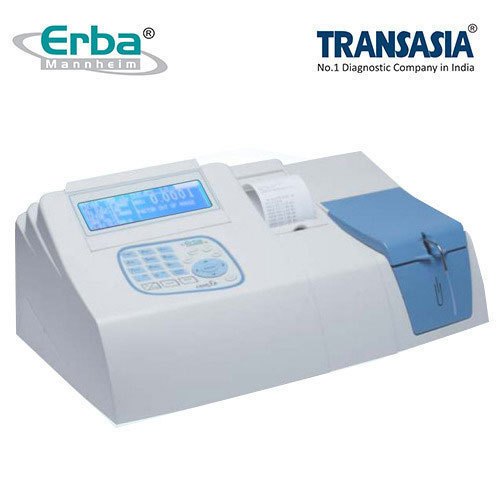
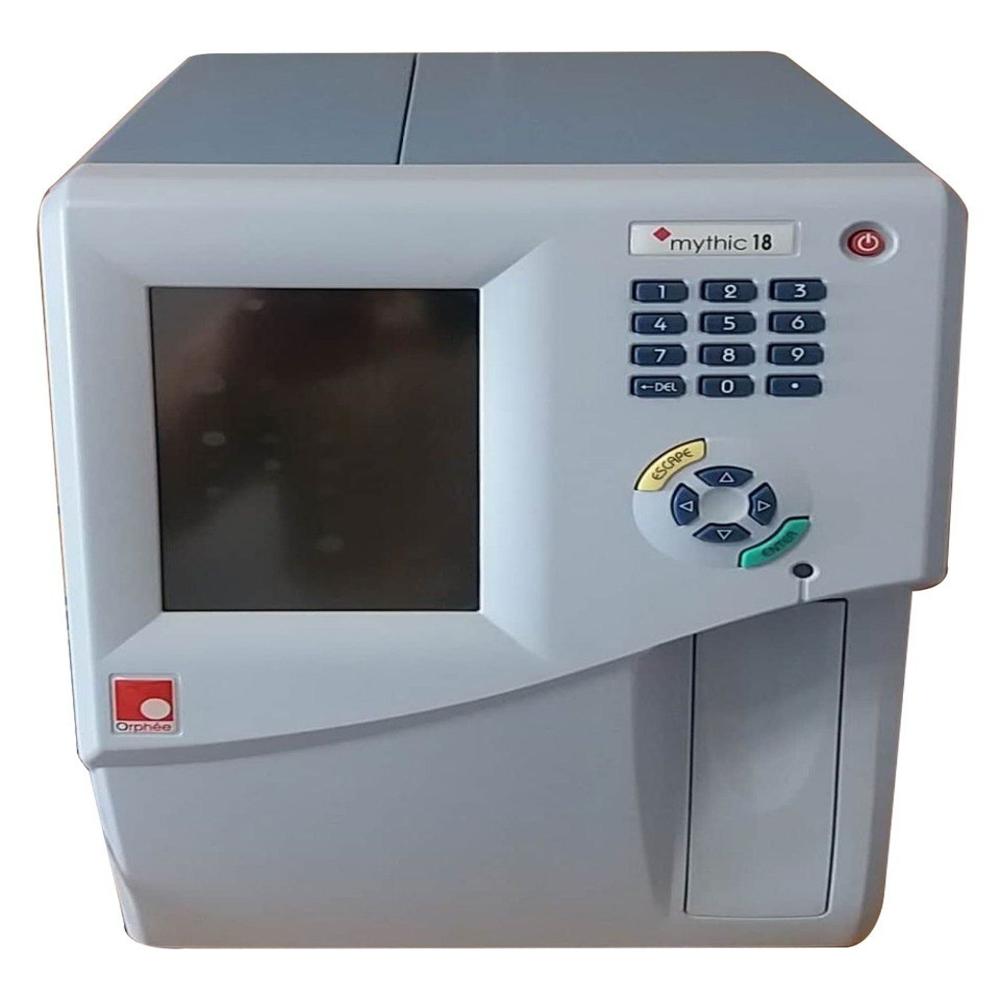
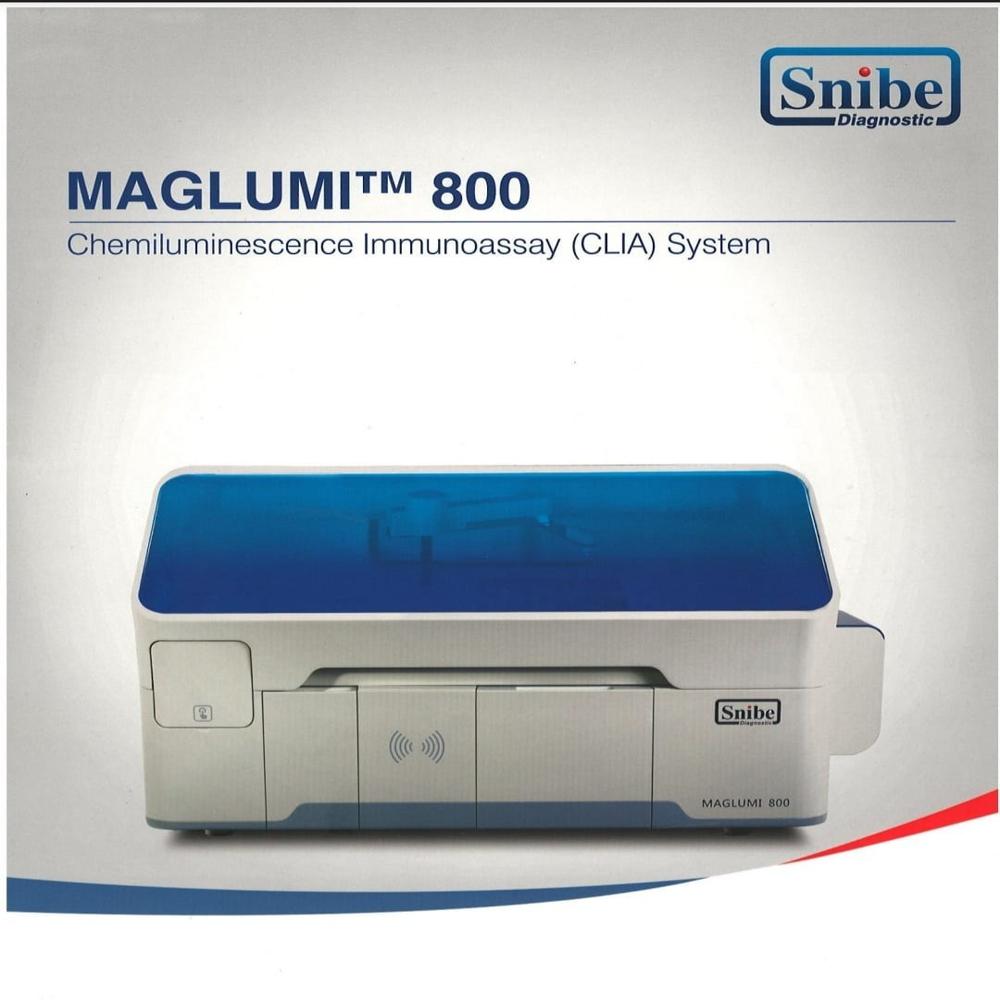
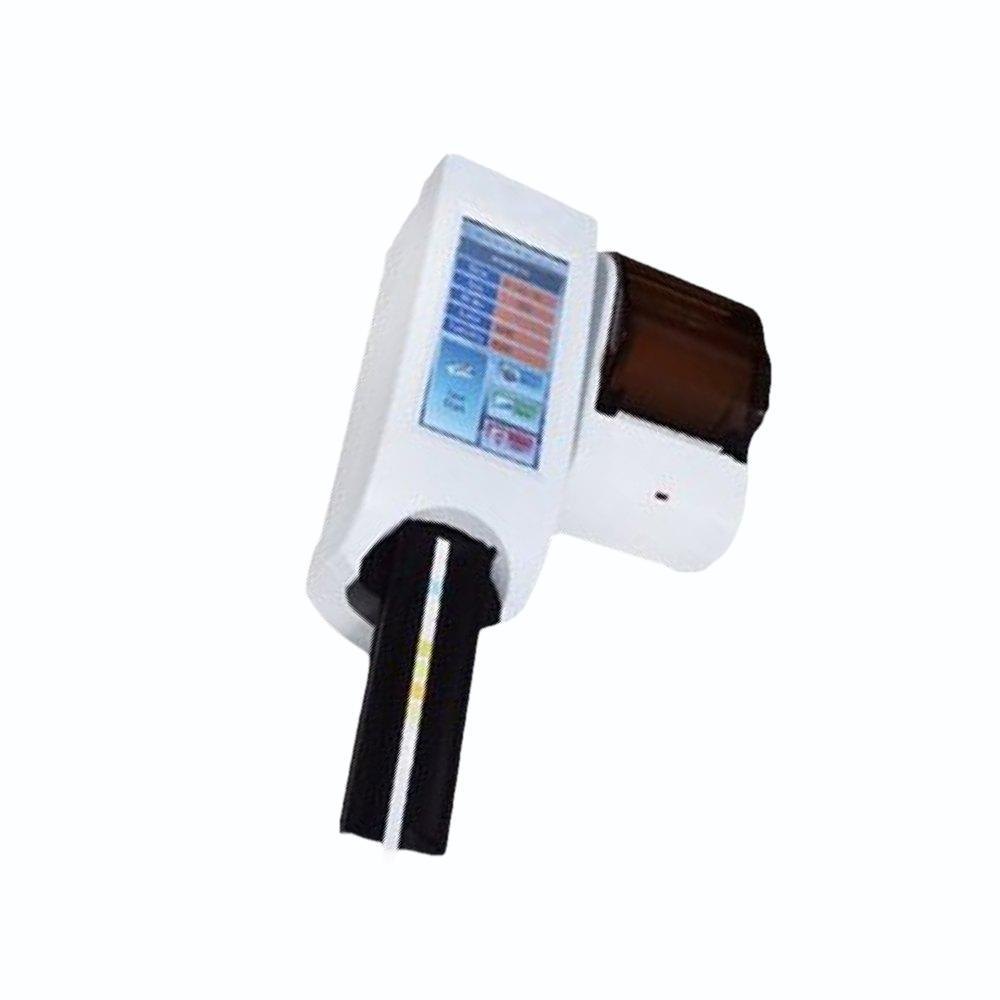
Erba biochemistry analyzers range from compact semi-automated units for small clinics to high-throughput, fully automated systems for large diagnostic laboratories. These analyzers are primarily used for routine clinical chemistry profiles, specialized assays like HbA1c, and immunoturbidimetric tests
High-Throughput Performance for Diverse Clinical NeedsThis biochemistry analyzer offers a fast throughput of up to 200 tests per hour, making it ideal for busy clinical environments such as hospitals and diagnostic centers. Designed to handle a variety of sample types including serum, plasma, and urine, it ensures quick turnaround times without compromising accuracy. Its onboard sample and reagent positions maximize efficiency, allowing laboratories to process more samples with minimal downtime.
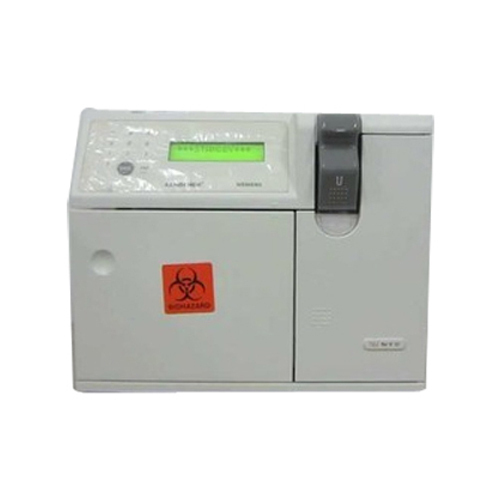
User-Friendly Design and Advanced Data ManagementEngineered with operator convenience in mind, the analyzer features a digital LCD display, intuitive controls, and multi-language capability. Data can be exported via USB or RS232, and the system can store up to 100,000 test results. Quality control is streamlined through multi-level QC and Levy-Jennings charting, ensuring continuous compliance and easy traceability.
FAQ's of Biochemistry Analyzer:
Q: How is calibration performed on the biochemistry analyzer?
A: The analyzer supports both automatic and manual calibration methods. Users can select automatic calibration for routine standardization or perform manual calibrations when specific adjustments are required, ensuring precise and reliable test results every time.
Q: What types of samples can this analyzer process, and in what settings is it recommended for use?
A: This analyzer handles serum, plasma, and urine samples, making it suitable for a range of biochemical tests. It is designed for use in clinical laboratories, hospitals, and diagnostic centers needing efficient, high-throughput testing.
Q: When should automatic maintenance and cleaning functions be used?
A: The automatic cleaning function is typically activated after processing a series of samples or as part of routine daily maintenance. This feature helps maintain optimal performance, reduces manual workload, and prevents potential carryover between tests.
Q: Where is test data stored, and how can it be accessed or exported?
A: Test data is securely stored onboard, with a capacity for 100,000 results. Data can be accessed directly via the LCD display or exported through USB and RS232 interfaces, facilitating flexible data management and integration with laboratory information systems.
Q: What is the process for quality control and how does it benefit users?
A: Quality control is conducted using multi-level QC procedures and results are monitored through Levy-Jennings charts. This systematic approach allows users to track analyzer performance over time, quickly identify deviations, and ensure consistent accuracy-crucial for clinical diagnostics.
Q: How does the built-in alarm system contribute to safe operation?
A: The analyzer features both acoustic and visual alarms that alert users to system errors or abnormal test outcomes. These warnings enable prompt corrective actions, minimizing disruptions and enhancing laboratory safety.
Q: What are the key benefits of using this fully automatic biochemistry analyzer?
A: Key advantages include rapid and accurate biochemical analysis, automated maintenance, extensive onboard data storage, user-friendly operation, and robust quality control. These features help laboratories boost productivity, reduce operational errors, and deliver reliable diagnostic results.




 Send Inquiry

 Send Inquiry
 Send Inquiry
 Send SMS