Electrolyte Analyzer About
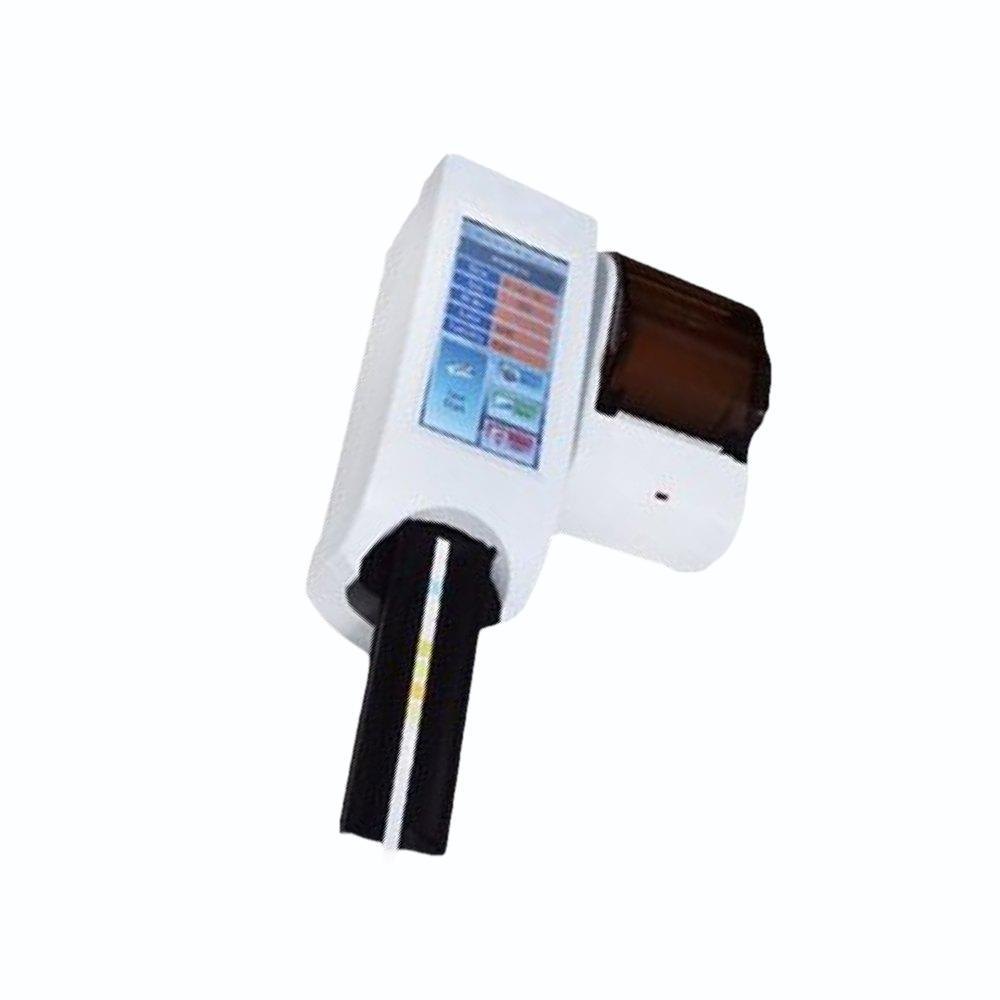
The Electra 360/360D is a high-throughput, fully automated analyzer designed for clinical laboratories, capable of processing up to 60 samples/360 tests per hour. It uses Ion-Selective Electrode (ISE) technology to measure , , , , and in blood, serum, plasma, and urine
Key features include:
- Performance: High-precision electrodes with wide linearity and automatic 2-point calibration.
- Operation: Large color touchscreen, multi-language support, and real-time, user-friendly graphical menu.
- Sample Handling: Supports 80-position trays, automatic sampling, and probe cleaning to prevent cross-contamination.
- Dimensions: Approximately 40 kg, designed for robust, rapid, and accurate electrolyte testing
Efficient and Accurate PerformanceThe analyzer's advanced ion-selective electrode (ISE) principle enables precise ionic measurements, efficiently analyzing up to 60 samples per hour. It accommodates whole blood, serum, plasma, and urine, requiring minimal sample volumes and delivering reliable results with just a 1% CV for sodium, potassium, and chloride.
User-Friendly Automation and MaintenanceFeaturing automated sample aspiration, calibration using onboard buffer solutions, and an automatic cleaning cycle, this device minimizes hands-on maintenance. Error and maintenance alerts, along with a simple liquid reagent replacement system, make routine operation seamless and accessible even for users with basic training.
Flexible Connectivity and Extensive MemoryThe analyzer is equipped with RS-232, USB, and printer connectivity, facilitating effortless data transfer and record-keeping. With the capacity to store over 10,000 test results in internal memory, users can conveniently manage large volumes of patient data for clinical diagnostics and laboratory applications.
FAQ's of Electrolyte Analyzer:
Q: How does the Electrolyte Analyzer determine ion concentrations in samples?
A: The analyzer uses ion-selective electrode (ISE) technology to accurately measure concentrations of sodium, potassium, chloride, and calcium in whole blood, serum, plasma, or urine. This method ensures high precision and reliability for clinical diagnostics.
Q: What type and volume of samples can be processed by the analyzer?
A: It accepts whole blood, serum, plasma, and urine samples, requiring a small volume of 100 to 300 L per test, which enables efficient use of precious specimens and reduces waste.
Q: When should calibration and maintenance be performed?
A: Calibration occurs automatically using onboard buffer solutions, so no manual intervention is necessary. Maintenance needs are minimal, as the device features automatic cleaning cycles and provides timely alerts for errors or upkeep.
Q: Where can the Electrolyte Analyzer be used?
A: This device is suitable for a range of settings, including clinical diagnostic centers, pathology laboratories, and hospitals, particularly supporting in vitro diagnostic testing for electrolytes.
Q: What is the process for replacing reagents or performing cleaning?
A: The analyzer uses liquid reagents housed in easily replaceable containers. The automatic cleaning cycle handles routine maintenance, streamlining both functions, and reducing downtime for the laboratory staff.
Q: How does the user interface enhance operation and data management?
A: A 7-inch digital LCD with multilingual support guides users through each step, minimizing the training required and simplifying operations. The device also facilitates secure data output to external devices and printers, with internal storage for over 10,000 results.
Q: What are the major benefits of using this analyzer in medical laboratories?
A: Key benefits include fast throughput (up to 60 samples/hour), high accuracy, minimal maintenance, easy reagent replacement, automatic calibration, extensive data storage, and simple operation, all of which optimize workflow and reliability for patient care.




 Send Inquiry

 Send Inquiry
 Send Inquiry
 Send SMS