Patient Warming System About
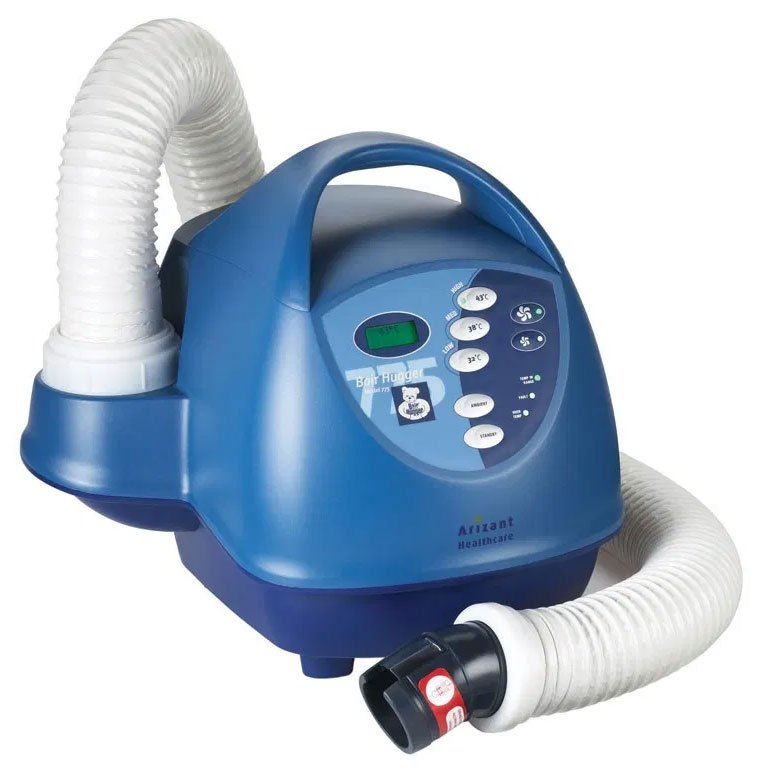
The 3M Bair Hugger system works through convective warming, which involves moving heated air across the patient's skin surface to transfer heat efficiently.
- Air Intake and Filtration: The warming unit draws in ambient air and passes it through a high-efficiency 0.2 m filter.
- Heating and Delivery: The filtered air is heated to the selected temperature by a resistive heating element and delivered through a flexible hose to the warming blanket.
- Uniform Warming: The air gently exits the blanket through small, consistent perforations, creating a "tent" of warm air that surrounds the patient and provides uniform heat distribution.
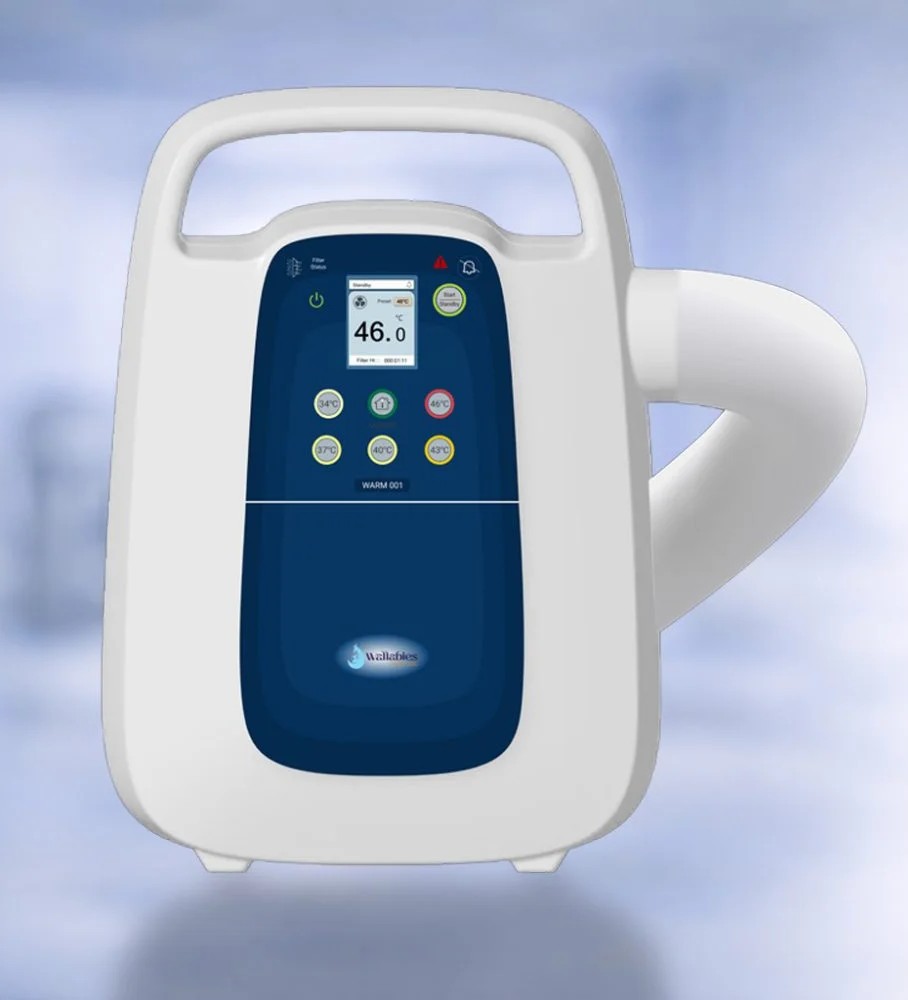
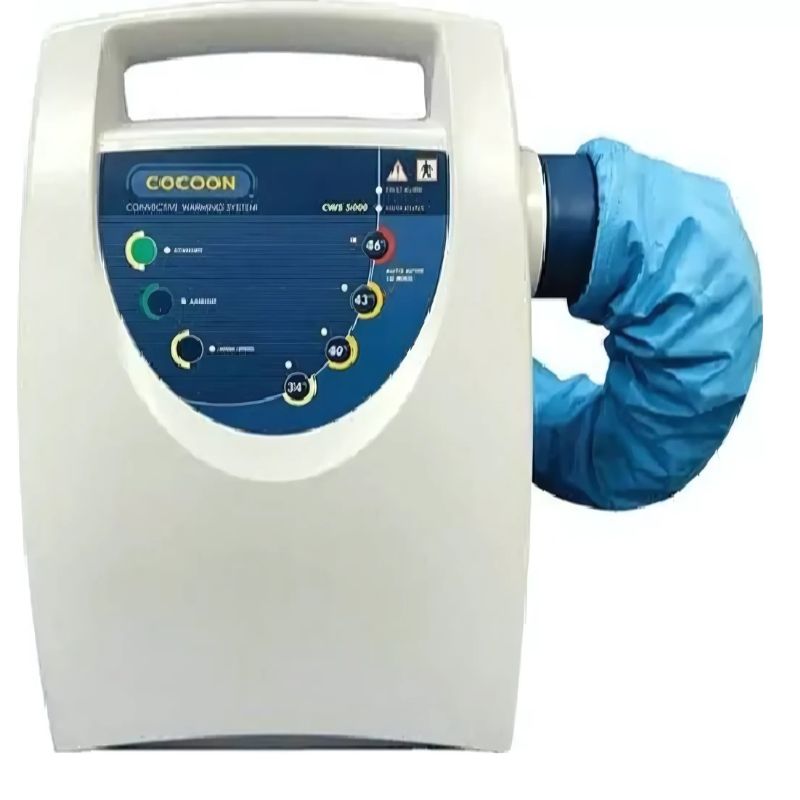
Precision and Safety in Patient WarmingEngineered with a microprocessor-controlled system, this patient warmer achieves exceptional accuracy (0.5C) and rapid warm-up in less than five minutes. Visual and audible alarms monitor temperature deviations, disconnection, or system anomalies, ensuring continuous safety during operation. The fully automated unit further enhances safety with features like auto shutoff and overheat protection, crucial in any critical care setting.
Versatile Application and User-Friendly DesignThis system adapts seamlessly to various clinical environments, supporting single-use and reusable warming blankets. Its quiet performance, adjustable airflow, and digital LCD interface allow for precise and comfortable patient care in operating rooms, ICUs, and recovery wards. Maintenance is simplified with an easy-to-clean ABS housing and a disposable air filter, promoting consistent sterility.
FAQ's of Patient Warming System:
Q: How does the patient warming system operate during surgical and postoperative care?
A: The system utilizes forced-air thermal therapy to maintain and regulate patient body temperature during and after surgery. Its microprocessor-controlled mechanism distributes warm air evenly through compatible blankets, and operating staff can adjust temperature and airflow levels to meet specific patient needs.
Q: What are the main safety features included in this patient warming device?
A: Key safety features comprise overheat protection, automatic shutoff, and both visual and audible alarms for temperature deviations or system disconnection. These integrated mechanisms ensure immediate alerts and prompt response to any irregularities, safeguarding patient safety at all times.
Q: When should I use single-use versus reusable warming blankets with this system?
A: Single-use blankets are recommended for infection control in high-risk or sterile settings, while reusable blankets are suitable for routine operations where proper cleaning and sterilization can be ensured. Both types are fully compatible and maintain efficient heat distribution.
Q: Where can this patient warming system be deployed within a healthcare facility?
A: The warming unit is ideal for operating rooms, intensive care units, and postoperative recovery areas, supporting both adult and pediatric patient care. Its portable dimensions and moderate weight (10-12 kg) allow for convenient intra-hospital transport.
Q: What is the process for cleaning and maintaining the patient warming system?
A: Surfaces are fashioned from medical-grade ABS plastic for easy wipe-down disinfection. The air filter is disposable for straightforward replacement, ensuring the system consistently meets hospital sterility protocols. Always follow the manufacturer's cleaning guidelines for optimum performance.
Q: What are the key benefits of using this patient warming system?
A: Benefits include rapid and uniform body temperature management, reduced risk of perioperative hypothermia, integrated safety mechanisms, low operating noise, and compatibility with both disposable and reusable blankets. This leads to improved patient outcomes and workflow efficiency in medical settings.
Q: How does the adjustable airflow setting enhance patient care?
A: Adjustable airflow enables clinicians to customize thermal comfort and heat delivery according to the patient's size, condition, and specific treatment requirements, optimizing warming efficiency while minimizing discomfort or overheating.




 Send Inquiry

 Send Inquiry
 Send Inquiry
 Send SMS